Blog
Permit or No Permit? What Seattle Homeowners Need to Know Before They Build
Author
Alex Kaluta
Published
Category
Guides
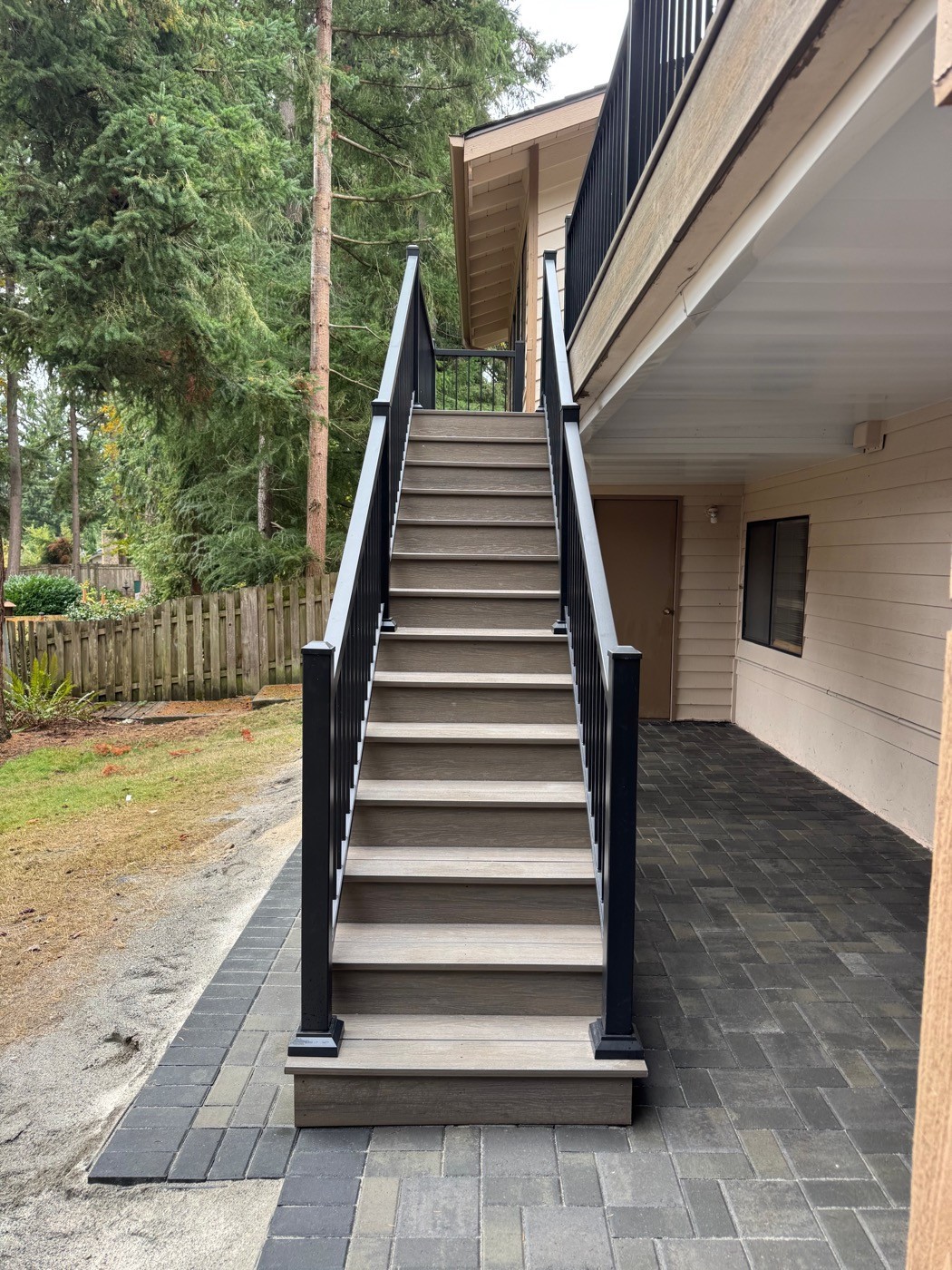
Your deck project has a timeline. Skipping a permit could cost you more than the permit itself. Here is what you actually need to know before you start.
Do You Need a Permit for Your Deck in Seattle?
The short answer is: almost certainly yes.
The longer answer is that permit requirements in Washington state vary by municipality and project scope, but most deck builds require a building permit. Understanding when you need one, and what happens if you don't get one, is worth knowing before you sign anything with any contractor.
When a Permit Is Required
In Seattle and most surrounding municipalities, a building permit is required for:
Any new deck attached to the house
Any deck over 200 square feet
Any deck more than 30 inches above grade
Any structural repair or replacement of framing, posts, or ledger boards
Covered deck structures and roof additions
Fencing over 6 feet in height in most jurisdictions
If your project falls into any of these categories, a permit is required. There is no gray area.
When a Permit May Not Be Required
Some limited scope work does not require a permit:
Deck board replacement only (no structural changes) in most jurisdictions
Minor railing repairs that don't alter the structure
Small detached platforms under 200 square feet at grade level in some municipalities
Even in these cases, we recommend confirming with your local municipality before starting. Requirements vary between Seattle, Bellevue, Kirkland, Redmond, and Renton, and the last thing you want is a stop-work order mid-project.
What Happens If You Build Without a Permit
This is where homeowners get into real trouble. Building without a required permit creates problems that compound over time.
When you sell the house: Unpermitted work almost always surfaces during a real estate transaction. Buyers' inspectors find it. Title companies ask about it. You'll likely be required to either pull a retroactive permit, tear out the work, or accept a significant reduction in sale price.
If something goes wrong: A deck failure that results in injury on an unpermitted structure is a significant liability exposure. Homeowner's insurance may not cover damages related to unpermitted construction.
Code violations: Your municipality can require you to remove unpermitted work entirely. The cost of demolition plus a proper permitted rebuild is substantially more than the original permit cost.
Why We Handle Permits on Every Project
Mill Decking manages the full permit process on every applicable project as a standard part of our scope. This includes preparing the construction drawings, submitting the application, communicating with the municipality, and coordinating the inspection.
We don't offer a "no permit" option because it isn't in our clients' best interest. The permit is what protects the investment you're making in your home.
Questions about the permit process for your project? Call us at (425) 600-2051.
Author
Alex Kaluta
Alex is the steadiest voice on any job site. Whether he's managing three projects at once or walking a homeowner through a tough repair call, he brings clarity and craft to everything he touches.
What’s better than insider perks, pro tips, and surprises?
Sign up to get the most recent blog articles in your email every week.
Other Blogs